Coffee Culture in Spain: Cortado, Café Bombón and the Customs of the Spanish Bar
How do Spaniards really drink coffee? Discover the most popular types, Valencian specialties, bar etiquette and the customs worth knowing before you travel.

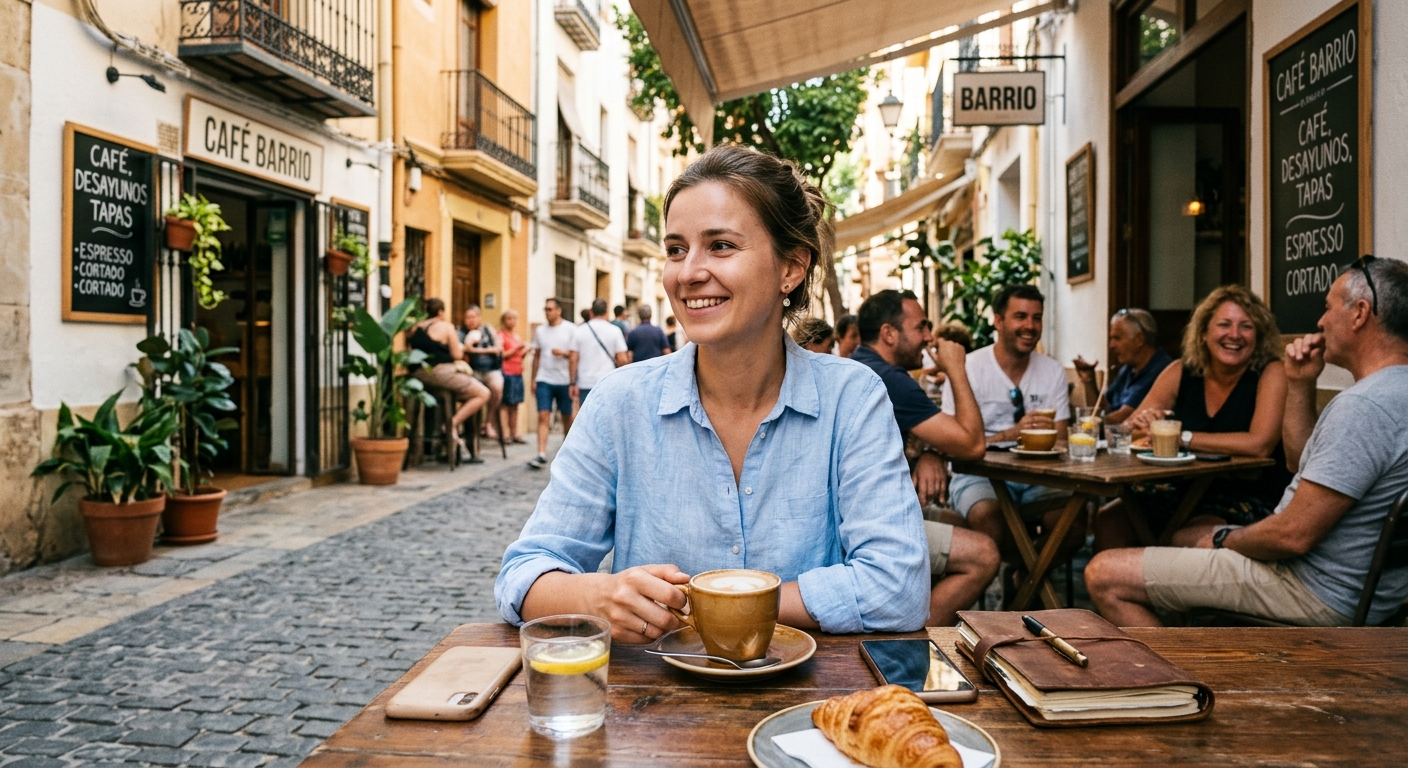
In Spain, coffee is much more than a drink. It's a reason to chat, a pause in the middle of the day and a daily ritual that starts at the bar counter and can stretch for hours at a table. Coffee culture in Spain differs from Polish, Italian or Scandinavian habits, and knowing a few rules helps you feel at home right away.
In this article you'll learn how Spaniards drink coffee, which types they order most often, what makes the Valencia region and the Costa Blanca special, and how to avoid mistakes when ordering.
Coffee in the rhythm of the Spanish day
Visit your favorite café in Torrevieja!
Torrevieja CafésSpaniards don't have one coffee in the morning and call it a day. Coffee sets the pace of the whole day:
- Desayuno (breakfast): coffee with milk and a tostada, which is toast with olive oil, tomato or ham. A classic in every bar.
- Almuerzo (mid-morning break, around 10:00–11:30): another coffee, often with a sandwich or a slice of tortilla.
- After lunch (around 14:00–16:00): coffee is the natural end of the meal, usually an espresso or a cortado.
- Sobremesa: the relaxed conversation at the table after eating, where coffee is a companion rather than the main event.
- Afternoon break: a lighter coffee, often with milk, shared with friends or colleagues.
What stands out is that coffee is a social activity. Spaniards rarely drink it on the run from a takeaway cup. They usually stop at a bar for a few minutes.
The most popular types of coffee in Spain
The menu in a Spanish café is simple, but it has its own names worth knowing:
- Café solo: the classic short espresso. The foundation of everything.
- Cortado: espresso with a small amount of warm milk that softens the bitterness. One of the most ordered coffees in the country.
- Café con leche: roughly half coffee, half milk, served in a larger cup. The typical breakfast choice.
- Café americano: espresso diluted with hot water, for those who prefer a lighter brew.
- Café largo: espresso with more water, but stronger than an americano.
- Café manchado: milk with a touch of coffee, the opposite of a cortado.
- Café con hielo: espresso served with a separate glass of ice. You decide when it becomes a refreshing drink. In summer it's a real hit.
Specialties of Valencia and the Costa Blanca
The Valencian Community has its own distinctive recipes:
- Café bombón: espresso served with sweetened condensed milk, roughly half and half. Thick, sweet and very aromatic. The layers are visible through the glass, so it's a showstopper too.
- Café del tiempo: espresso served with ice on the side, enjoyed only on warm days. In Valencia it's practically a synonym for summer.
- Carajillo: espresso spiked with alcohol, most often brandy or rum. Popular after a hearty lunch.
- Cremaet: a local specialty in which rum, sugar, lemon and coffee make a warm, aromatic drink often served after a meal. The true taste of Valencia.
Bar rules: how to order coffee in Spain
A few practical tips to make life easier:
- It's cheaper at the bar than at a table. In many places, coffee ordered at the counter costs less than the same one served on the terrace. The difference can be noticeable, especially in tourist spots.
- Coffee is usually cheap. In a typical local bar an espresso costs around €1.30–2, though prices vary by city and location.
- You pay at the end. Nobody rushes you with the bill. You ask for it yourself by saying "La cuenta, por favor."
- Tipping isn't mandatory. Leaving small change is a nice gesture, but nobody expects it.
- Takeaway coffee isn't the norm. "To go" cups are available everywhere, but the traditional way is to drink it on the spot.
- Dairy milk is the default. If you prefer plant-based, say so clearly: "leche de avena" (oat) or "leche de soja" (soy).
Spanish coffee and beans: what is "torrefacto"?
It's worth knowing that for years a roasting method called torrefacto was popular in Spain. During roasting, the beans are glazed with sugar, giving the brew a dark colour, a pronounced bitterness and a slightly caramelized, burnt note. These coffees were often blended with robusta, producing an intense, strong flavour that stands up well to milk.
Today things are changing. The specialty coffee market is growing, and in big cities and tourist regions new roasteries and cafés are betting on arabica beans, light roasts and pour-over methods. Traditional bars and modern cafés exist side by side, so you can choose between the classic Spanish taste and a higher-end cup.
Frequently asked questions about coffee in Spain
What coffee should I order in Spain to start with? The safest choice is a cortado or a café con leche. If you want to try something local around Valencia, order a café bombón.
Do people in Spain drink milky coffee after lunch? Usually not. After a meal, Spaniards tend to go for a stronger espresso or a cortado. Coffee with plenty of milk is associated with breakfast and the afternoon break.
How much does coffee cost in Spain? In ordinary bars, two coffees generally cost a few euros, while in tourist areas and on terraces prices can be higher.
Is there specialty coffee in Spain? Yes, and it's becoming more available. Look for cafés that share information about the roaster, the bean origin and the brewing method.
Summary
Spanish coffee culture is built on simplicity, ritual and company. It's not about complicated drinks but about a moment of pause in the day: at the counter, on a sunny terrace or at the table after lunch. Just order a cortado, sit down and give yourself a little time to settle into that rhythm.
If you're visiting the Valencia region or planning a holiday on the Costa Blanca, check out our recommended cafés in Alicante and try local specialties such as café bombón or cremaet.
Related Articles

All About Coffee: From Bean to Cup - Origin, Varieties, Health & Brewing
A comprehensive guide to the world of coffee. Learn the differences between Arabica and Robusta, the health benefits of coffee, where top beans come from, and how to brew specialty coffee.
Where to Get the Best Coffee in Alicante? A Guide to Specialty Coffee & Workspots
Looking for top-tier specialty coffee, a delicious brunch, or a cozy laptop-friendly cafe with fast Wi-Fi in sunny Alicante? Here is our curated guide.
