All About Coffee: From Bean to Cup - Origin, Varieties, Health & Brewing
A comprehensive guide to the world of coffee. Learn the differences between Arabica and Robusta, the health benefits of coffee, where top beans come from, and how to brew specialty coffee.

For millions of people around the world, coffee is an essential morning ritual, fuel for work, and a reason to connect with friends. However, the world of coffee is much more than just caffeine - it is a complex agricultural art, a rich history, fascinating biochemistry, and an extraordinary spectrum of flavors and aromas.
In this guide, we will take a closer look at everything that makes great coffee so captivating: from its origins and bean varieties to its health benefits and the secrets of a perfectly brewed cup.
Where Does Coffee Come From? The Coffee Belt & History
Visit your favorite café in Torrevieja!
Torrevieja CafésLegend has it that coffee was discovered in the 9th century in Ethiopia by a goat herder named Kaldi, who noticed his goats became unusually energetic after eating red berries from an unfamiliar shrub. From Africa, coffee traveled to the Arabian Peninsula, where the first plantations and coffee-drinking traditions were established in Yemen.
Today, coffee is cultivated in the Coffee Belt - an equatorial region stretching between the Tropic of Cancer and the Tropic of Capricorn. Key growing regions include:
- South & Central America (Brazil, Colombia, Guatemala): Classics with notes of chocolate, nuts, caramel, and balanced acidity.
- East Africa (Ethiopia, Kenya): Exceptionally fruity and floral coffees with bright, refreshing acidity reminiscent of citrus or wild berries.
- Asia & Southeast Asia (Vietnam, Indonesia): Coffees with a heavier body, earthy and spicy notes, and lower acidity.
What Makes Coffee Great? Arabica vs. Robusta
Two main species dominate the coffee market:
- Arabica (Coffea Arabica): Accounts for roughly 60–70% of global production. Grown at higher altitudes (600 to 2,200 meters above sea level), it requires more delicate care but delivers a complex flavor profile (ranging from sweet and fruity to chocolaty). It contains less caffeine (approx. 1.2–1.5%).
- Robusta (Coffea Canephora): More resilient to pests and harsh weather. It contains nearly double the caffeine (approx. 2.2–2.7%) and produces a thick crema in espresso. Taste-wise, it is bolder, bitter, and more earthy.
What is Specialty Coffee?
The term Specialty Coffee refers to highest-grade Arabica beans that score 80 points or higher on a 100-point scale by the Specialty Coffee Association (SCA). These beans are fully traceable - you know the exact farm, altitude, and processing method (natural, washed, or honey).
Coffee & Health - Benefits & Properties
For decades, coffee was viewed with skepticism. Modern scientific research clearly demonstrates that moderate coffee consumption (3–4 cups per day) offers numerous health benefits:
- Rich in Antioxidants: Coffee is one of the largest sources of antioxidants in the Western diet, combating free radicals and slowing cellular aging.
- Brain Boost: Caffeine blocks adenosine receptors, improving focus, reaction time, memory, and overall mental performance.
- Disease Protection: Regular coffee drinking is associated with a lower risk of type 2 diabetes, Parkinson's disease, Alzheimer's, and certain liver conditions.
- Metabolic Support: Caffeine stimulates metabolism and aids fat burning, making it a popular natural element for active lifestyles.
How to Brew the Perfect Cup at Home
Even the finest beans can lose their potential if brewed incorrectly. Here are the core rules for a great brew:
- Freshness Matters: Buy freshly roasted coffee from artisan roasters (best within 3–6 months of roast date) and grind right before brewing.
- Water Quality: Coffee is 98% water. Always use filtered water heated to a temperature between 90°C and 94°C (never boiling!).
- Proper Ratio: The standard ratio for filter methods (V60, Chemex) is 6g of coffee per 100ml of water.
Summary
Great coffee is no accident - it is the result of farmers' hard work, roasters' expertise, and baristas' precision. We invite you to discover these unique flavors at our recommended cafes on the Costa Blanca. If you want to understand cafe menus better, read our guide to coffee drinks.
Related Articles
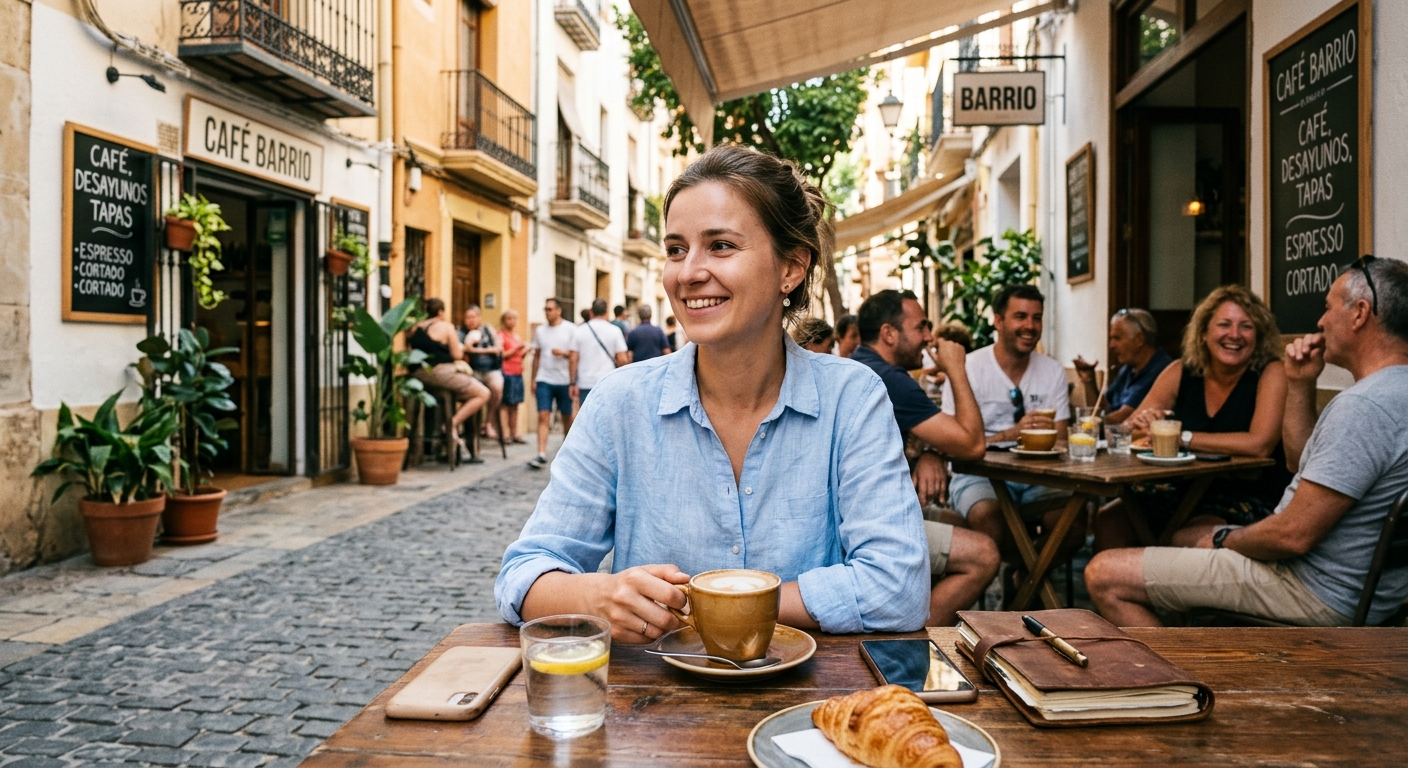
Where to Get the Best Coffee in Alicante? A Guide to Specialty Coffee & Workspots
Looking for top-tier specialty coffee, a delicious brunch, or a cozy laptop-friendly cafe with fast Wi-Fi in sunny Alicante? Here is our curated guide.

Burr or Blade Coffee Grinder: Which One to Choose and How Much to Spend?
Caffeine calculator: how much caffeine do you drink each day?
Calculate the caffeine in your coffee, tea and soft drinks, then compare it with a daily guideline.